
a year of wonderTwelve units designed to cultivate awe, build academic foundations, and bring the whole family back to the table.
12 Monthly Units
Our curriculum features twelve seasonal units—from the depths of Little Oceans to the warmth of Little Feasts—that weave Bible, Science, Literacy, and Math into one seamless story. These units are designed to be revisited year after year, deepening in meaning as your child grows and matures.
Stages, Not Ages
We’ve traded rigid grade levels for a "One Table" approach. Every lesson is designed to be taught once to the whole family, inviting Explorers (3–4), Pathfinders (4–5), and Voyagers (5–6+) to engage at their own pace. One shared invitation; three developmental depths.
Treasures Over Worksheets
Instead of fleeting worksheets, your child will curate a physical Wonder Journal—a beautiful record of their drawings and narrations. Coupled with our heirloom projects, you are building more than an academic foundation; you are creating a library of memories to keep forever.
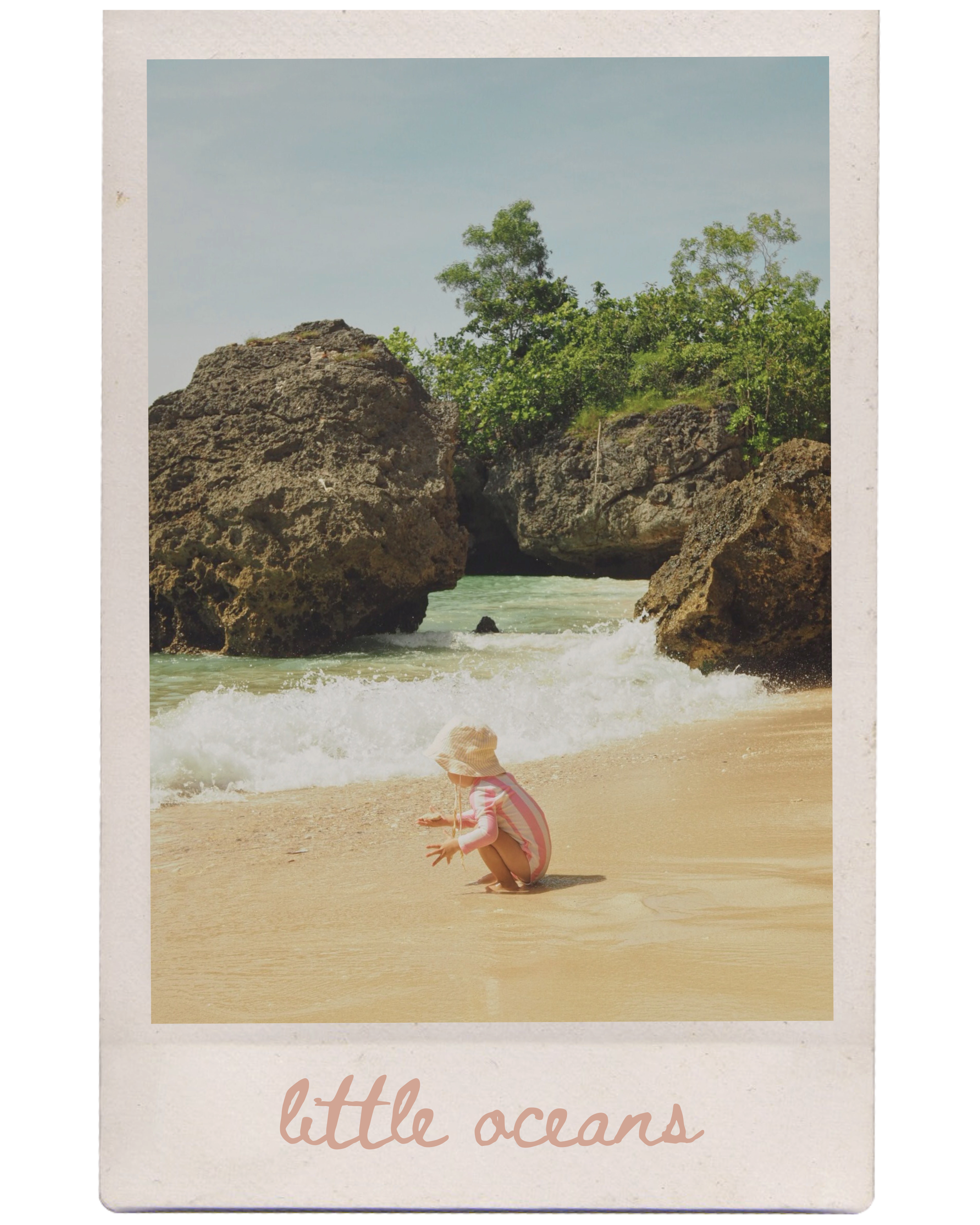
Discover the miracle of marine life while exploring God’s power over creation. Our academic journey begins with an introduction to letters S, T, F, W and the vowel A, alongside a deep dive into numbers 1–4 and the concept of part-part-whole relationships.
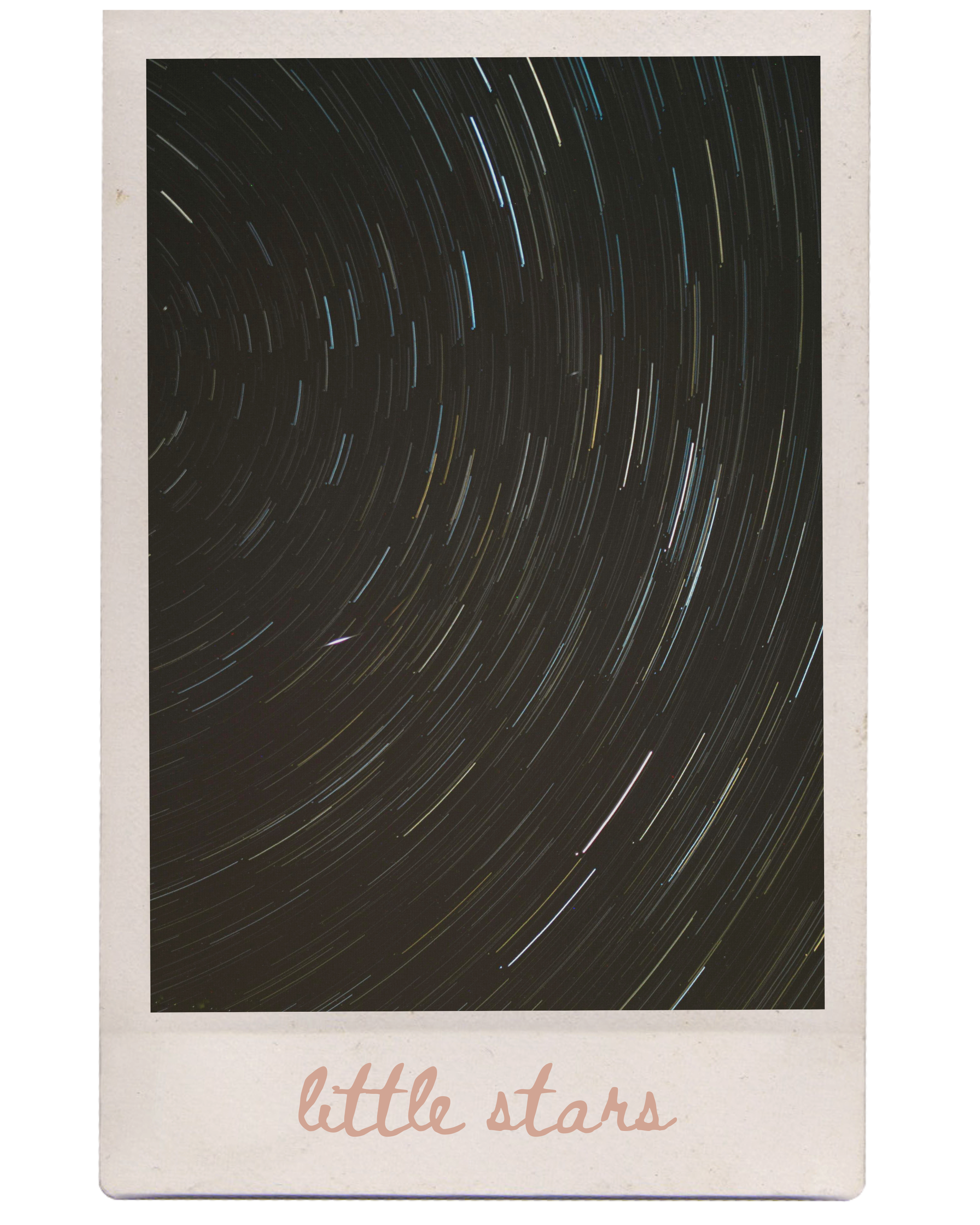
Look up in wonder at the moon’s phases and the rhythm of the night sky. This unit introduces letters M, A, P, N as we begin building our first CVC words, while our numeracy focus shifts to subitizing and tallying numbers 5–8.
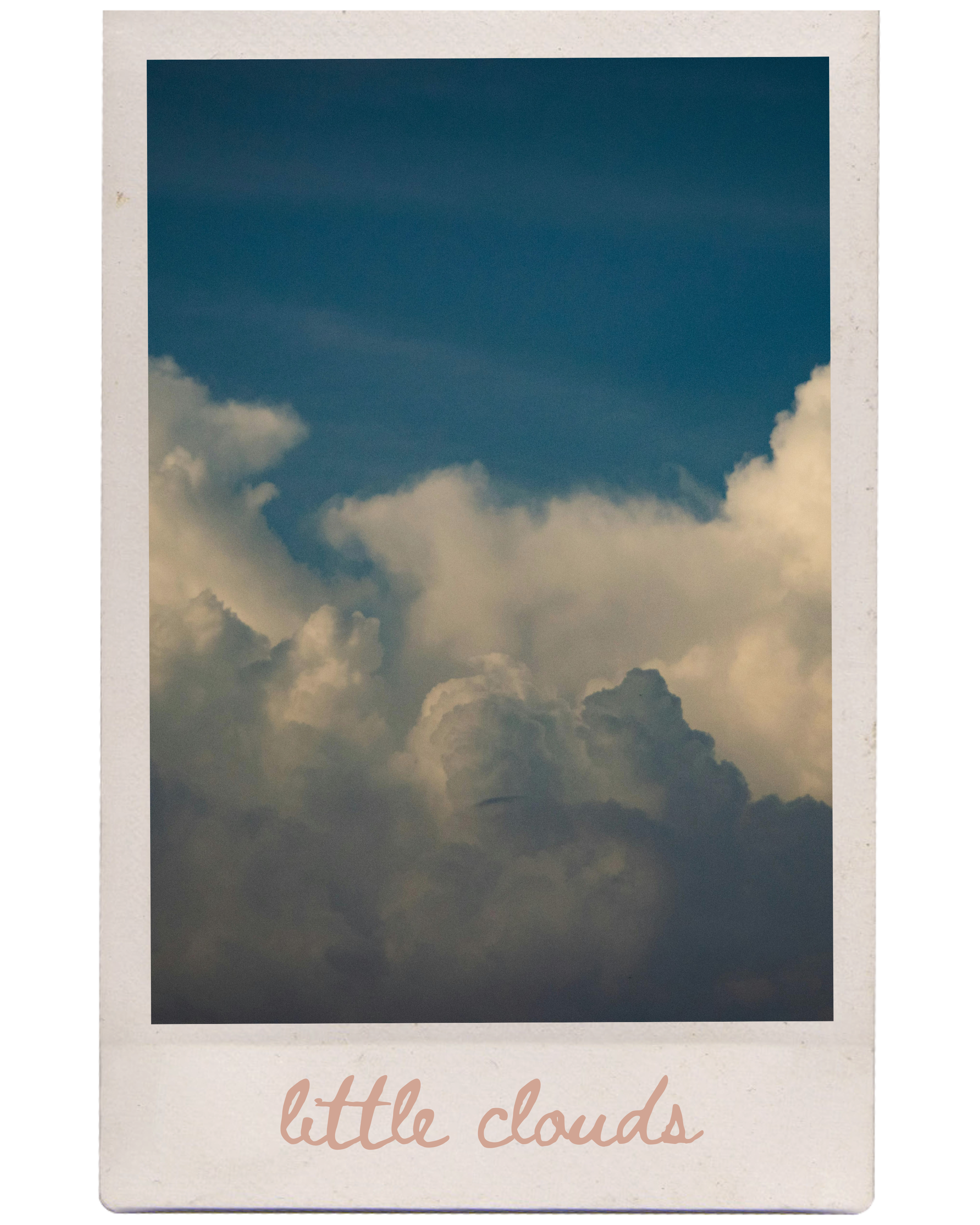
Explore the water cycle and the beauty of God’s protection. We focus on letters C, R, L, G and the "OU" vowel team, while introducing the concept of "Ten-Bundles" and the importance of zero using numbers 9 and 10.
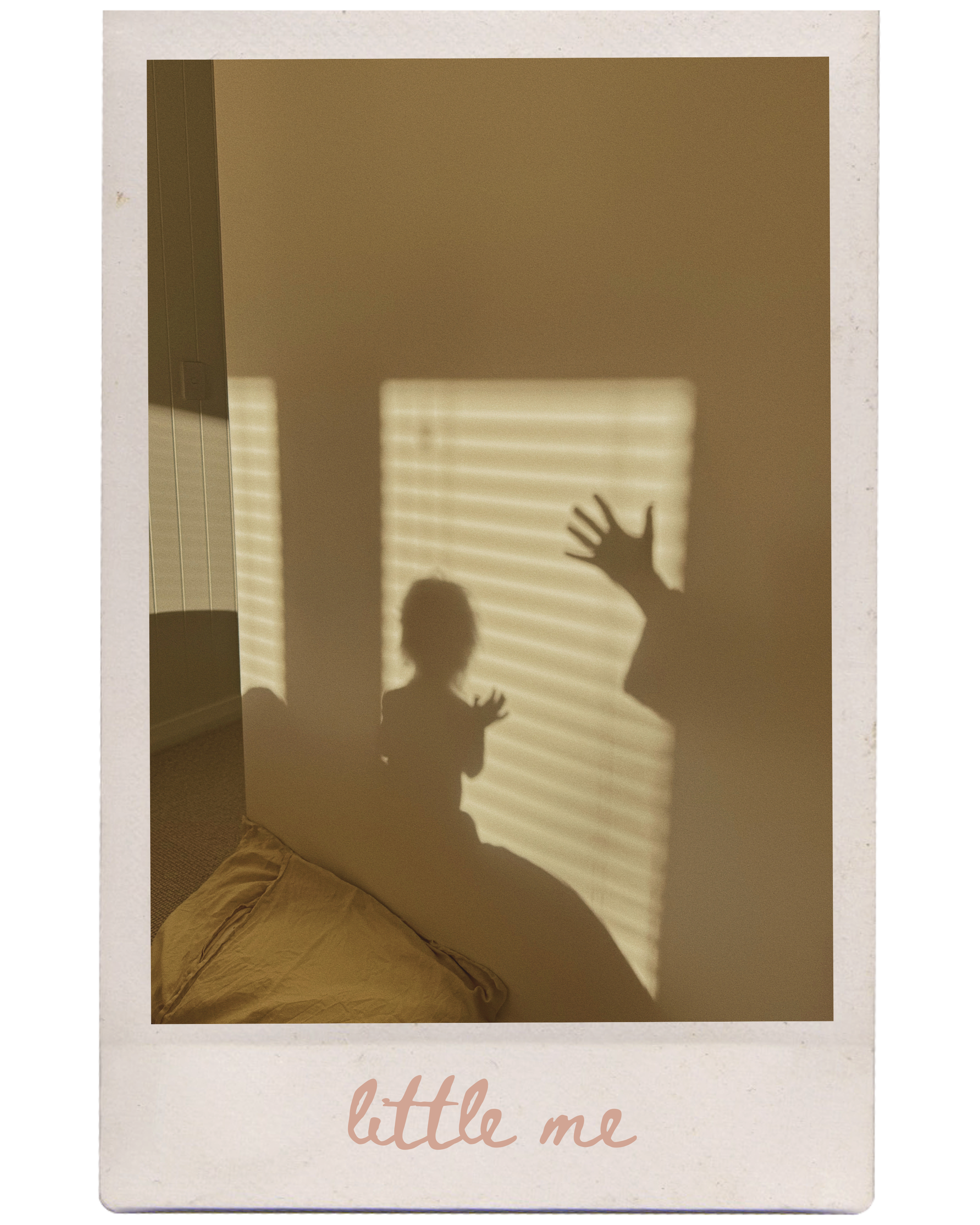
A gentle celebration of identity and the miracle of the human body. We introduce letters B, I, H, E to build early short-vowel words, while our math focus explores spatial sense and the concepts of "greater than" and "less than."
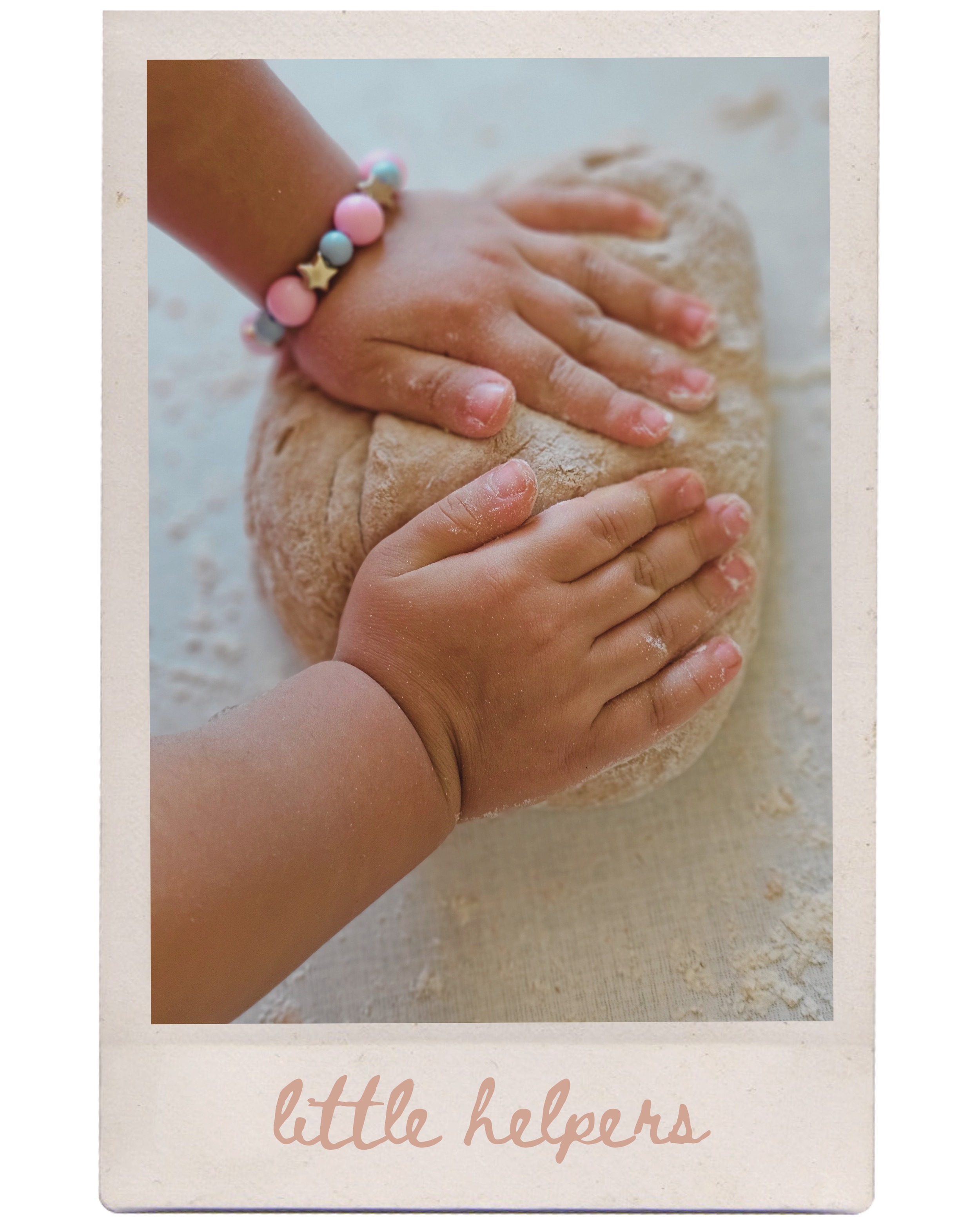
Learn the joy of loving our neighbors while meeting the helpers in our community. This unit covers letters D, V, O, J and introduces the beauty of "Addition Stories," helping children understand the logic of adding one or two more.
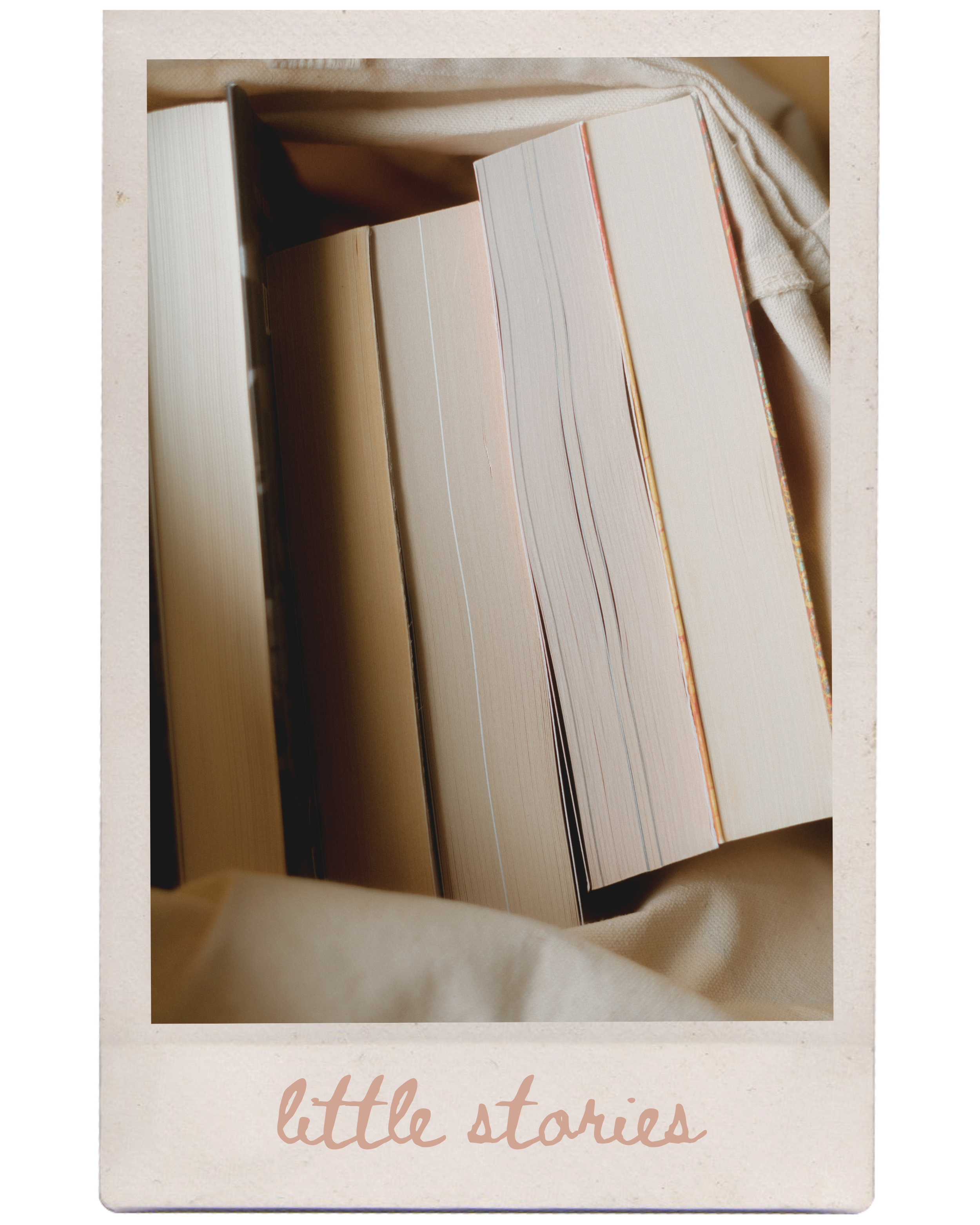
Explore the power of narrative and the blessing of family heritage. We move into a comprehensive review of short vowel sounds and family CVC words, while introducing subtraction as a way to "take away" from a story.
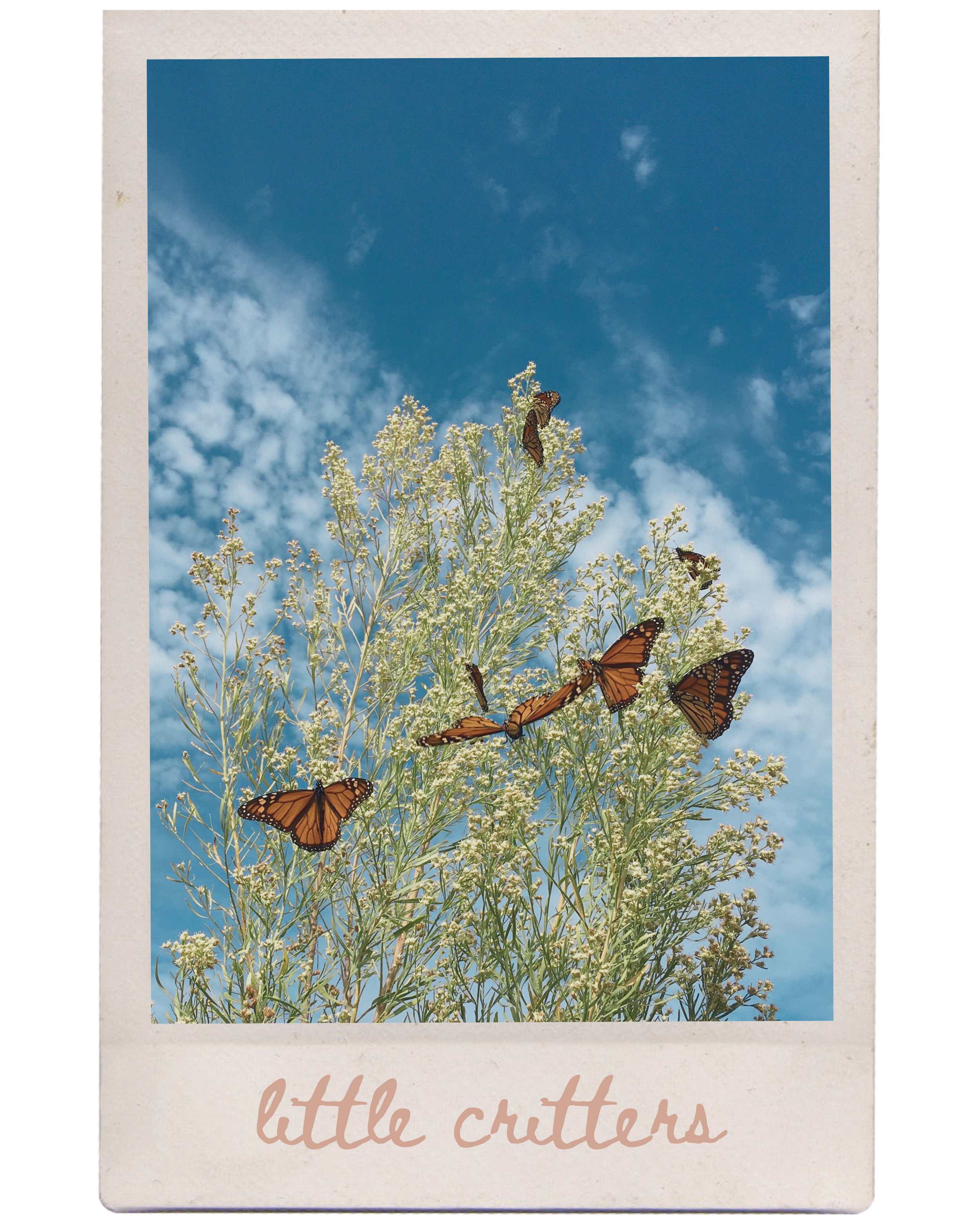
Discover the "small wonders" of God’s world through the study of metamorphosis and habitats. This unit introduces letters K, U, Y and the magic of rhyming word families, while our math focus turns to 2D geometry and shapes found in nature.
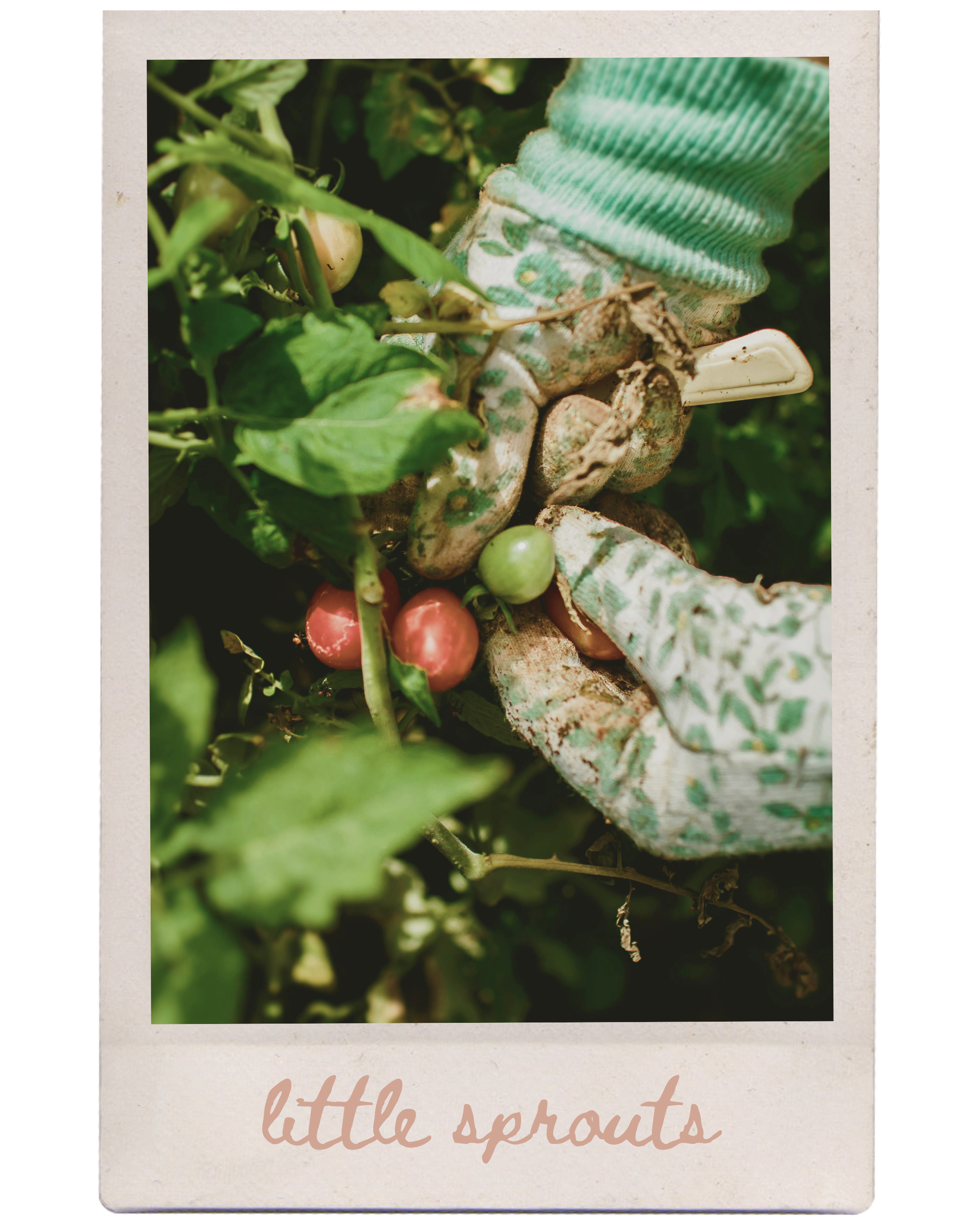
Journey from a tiny seed to the miracle of a full-grown plant. We focus on reading full phonetic sentences and building fluency, while our numeracy lessons introduce patterns and the rhythm of skip counting by 2s, 5s, and 10s.
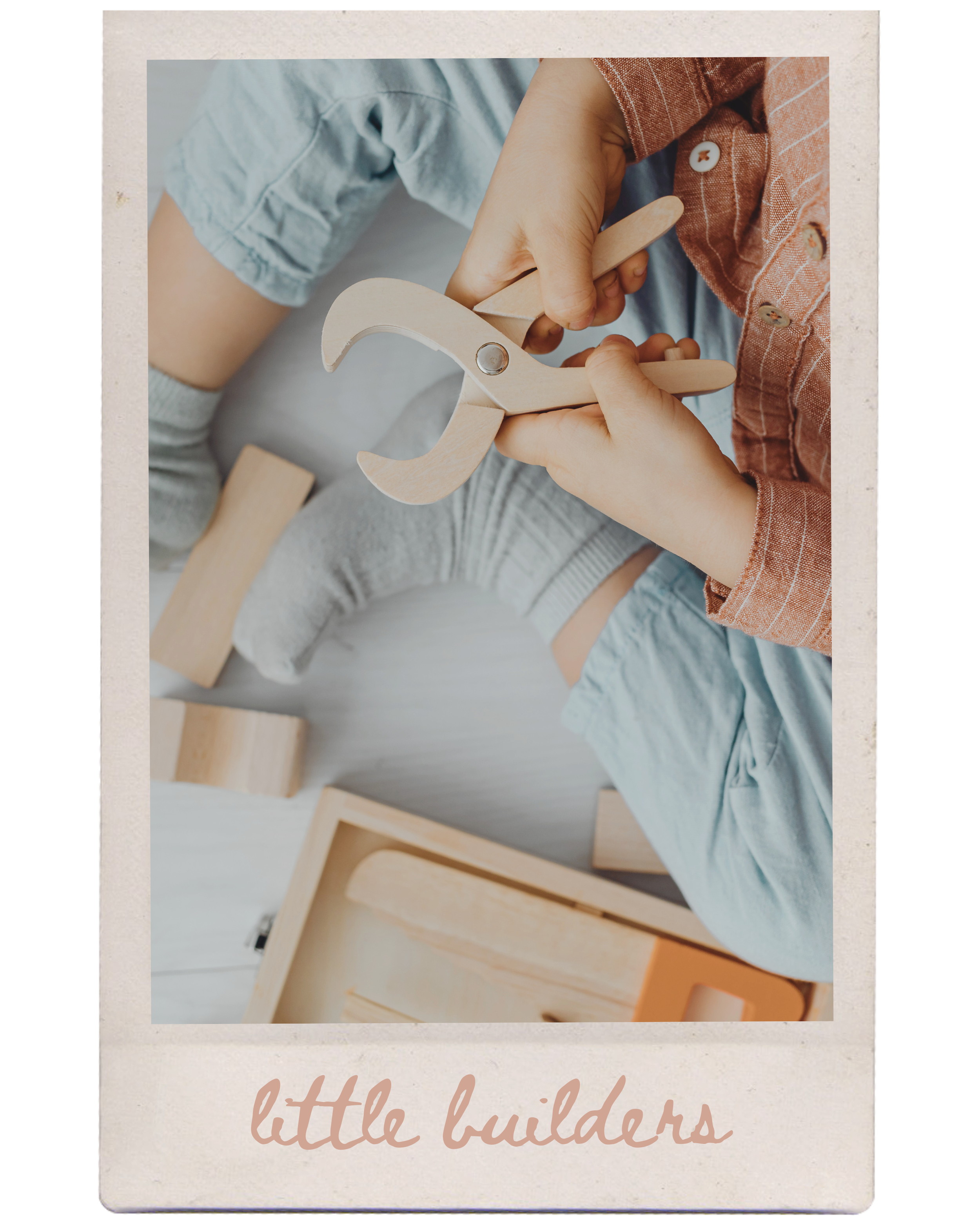
Learn from nature’s architects to understand what it means to build on a firm foundation. This unit introduces the "Secret Sounds" of digraphs like Sh, Ch, and Th, alongside a hands-on measurement lab using both standard and non-standard units.
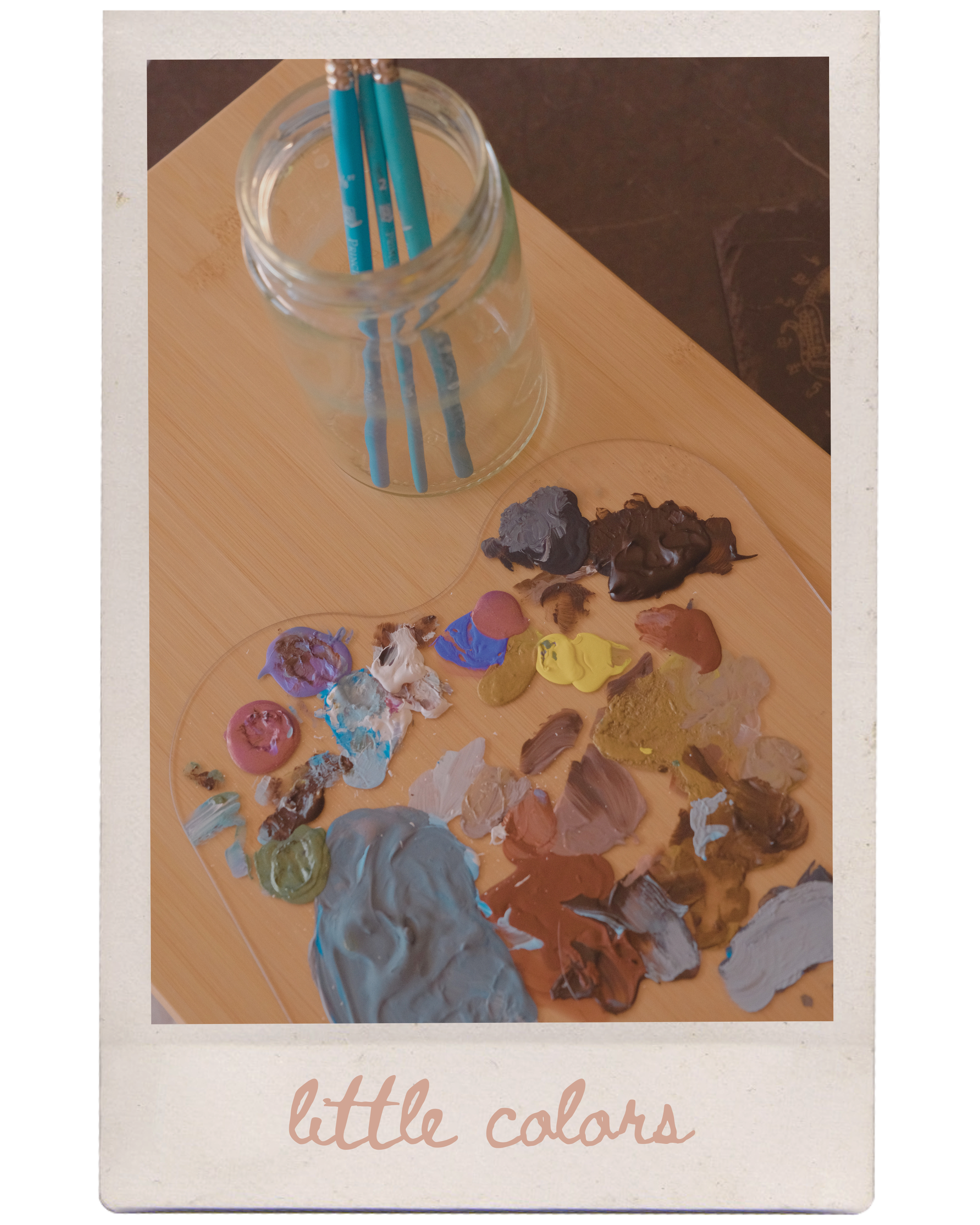
Explore the science of light and the rainbow of God’s world. We focus on high-frequency sight words and "Rainbow Writing" full sentences, while our math focus sharpens our skills in sorting and classifying by multiple attributes.
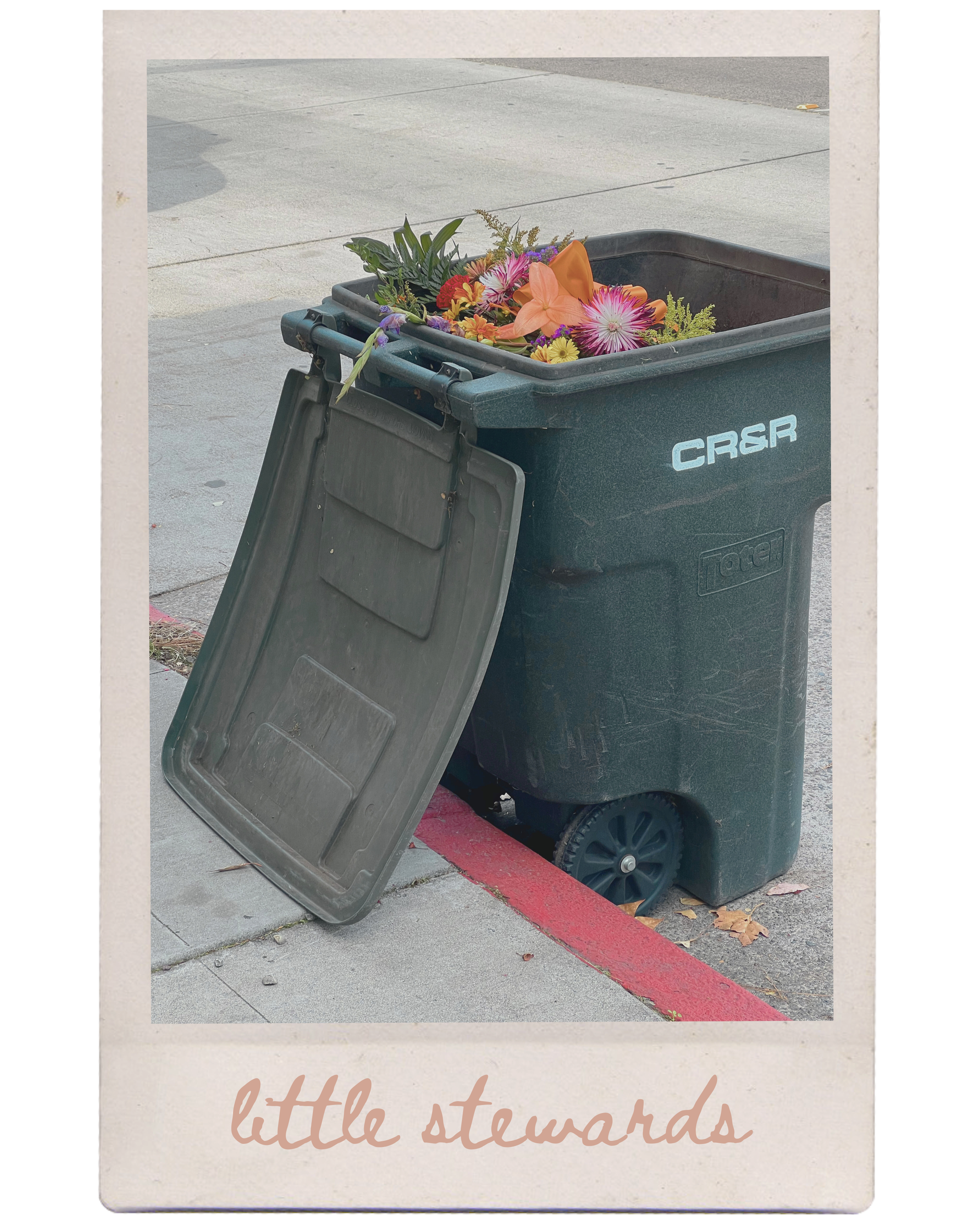
Discover what it means to care for God’s green earth and the creatures in it. This unit features a deep review of digraphs and phonics, while introducing the foundations of place value and the practical value of money and coins.
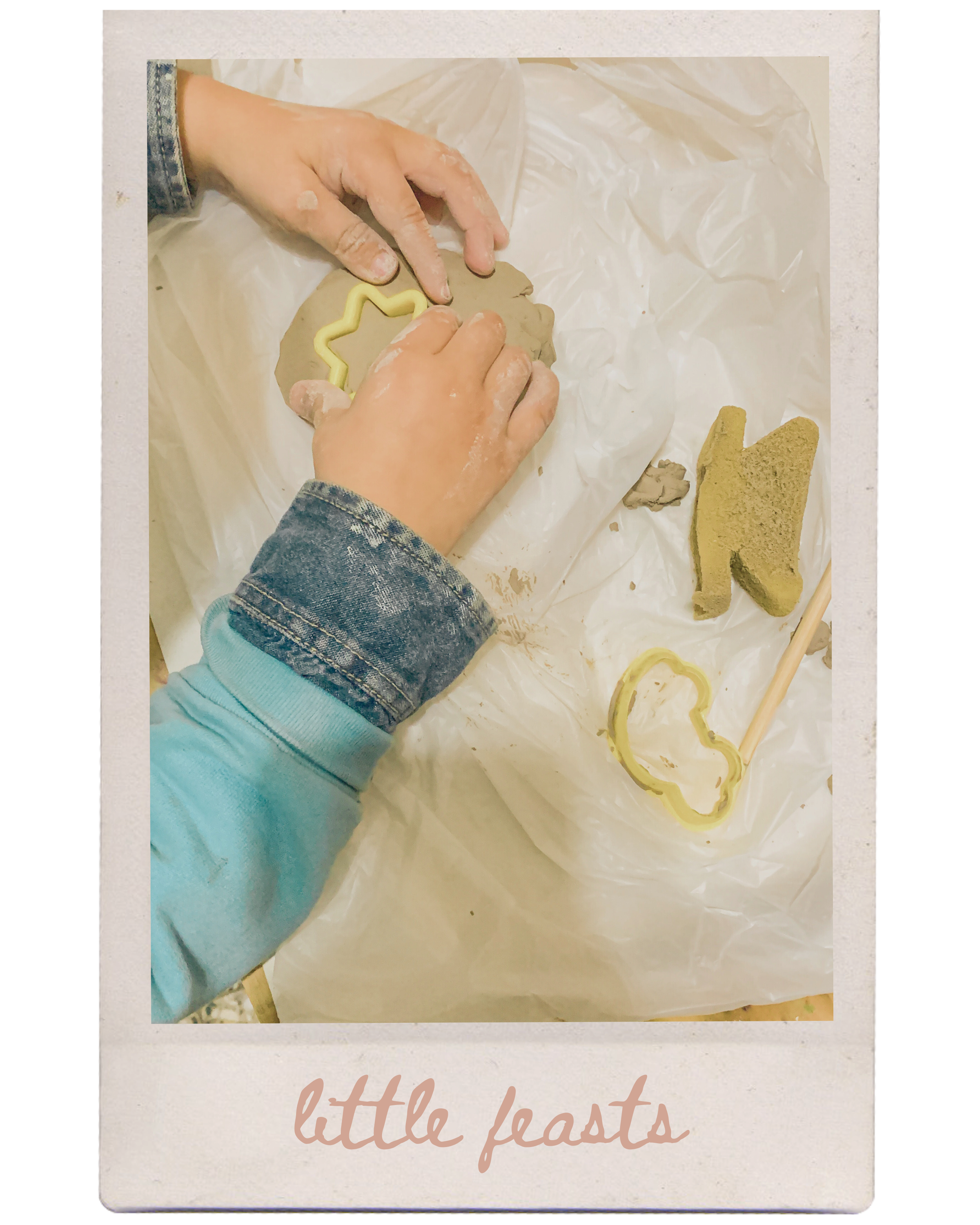
We gather at the table to celebrate a year of wonder with food traditions and gratitude. Our final unit introduces "Silent E" and long vowels, while offering a comprehensive review of addition, subtraction, and graphing to 100.
collection one: rhythms of explorationLearning Objectives
Awe & Observation
Stillness & Faithfulness
Trust & Patience
Literacy
Explorer: Letter exposure and sensory sound play.
Pathfinder: Introduction to CVC blending (Sat, Map, Nap).
Voyager: Mastering letter blends digraphs, ending sounds, and early sentence structure.
Numeracy
Explorer: One-to-one correspondence and counting to 10.
Pathfinder: Visualizing quantity with Ten-Frames and tally marks.
Voyager: Part-part-whole relationships, addition stories, and place value.
Bible Stories
Little Oceans: God’s Power (Creation, Jonah, Peter walking on water).
Little Stars: God’s Promises (Abraham, The Wise Men, Daniel).
Little Clouds: God’s Protection (Noah, Gideon, Pillar of Cloud and Fire).
Wiggle Time
Gross Motor: Midline crossing (Crab Crawls) and balance (Star Reaches).
Coordination: Rhythmic stomps and body awareness.
Handcrafts: Fine motor development through traditional arts and sensory-rich projects.
“But how do I teach my 3-year-old and 6-year-old at the same time?”
That is such a great question, and to be honest, it’s the exact reason I built this curriculum. When I first started homeschooling, I had a three-year-old and a four-year-old. My son was beginning to read, but he wanted nothing to do with math. My daughter was the opposite—she could care less about the alphabet, but she was a tiny math whiz. I realized very quickly that they were worlds apart developmentally, but I didn't want to leave anyone behind or spend my entire day juggling two different programs.
I needed a way to teach them the same things at the same time while respecting their different strengths. That’s how this tiered system was born. We gather for the same Bible story, the same living books, and the same nature study, but what they do with that information is tailored to their specific stage.
The Explorer (Ages 3-4): They are mostly soaking in the story and practicing the muscle memory of learning—holding a crayon, noticing a sound, and exploring through their senses. It’s all about exposure and play.
The Pathfinder (Ages 4-5): This is where they begin to bridge the gap. They start identifying the sounds in the stories we read and connecting the lessons to the world around them with a bit more focus.
The Voyager (Ages 5-6+): By this stage, they are ready to master the material. They aren't just hearing the sound; they are recording and applying it. They aren't just looking at the picture; they are documenting their findings and narrating their thoughts in their Wonder Journal.
A Note on Developmental Harmony
Every child is different, and we truly love that about them. We know that one child might be an Explorer when it comes to literacy but a Voyager when it comes to math—and that is exactly why each unit is set up this way. You have the freedom to meet them exactly where they are in every subject, every day, without ever feeling like they are "behind" or "ahead." We aren't just teaching subjects; we are nurturing individuals.
what a year of wonder gives you
-
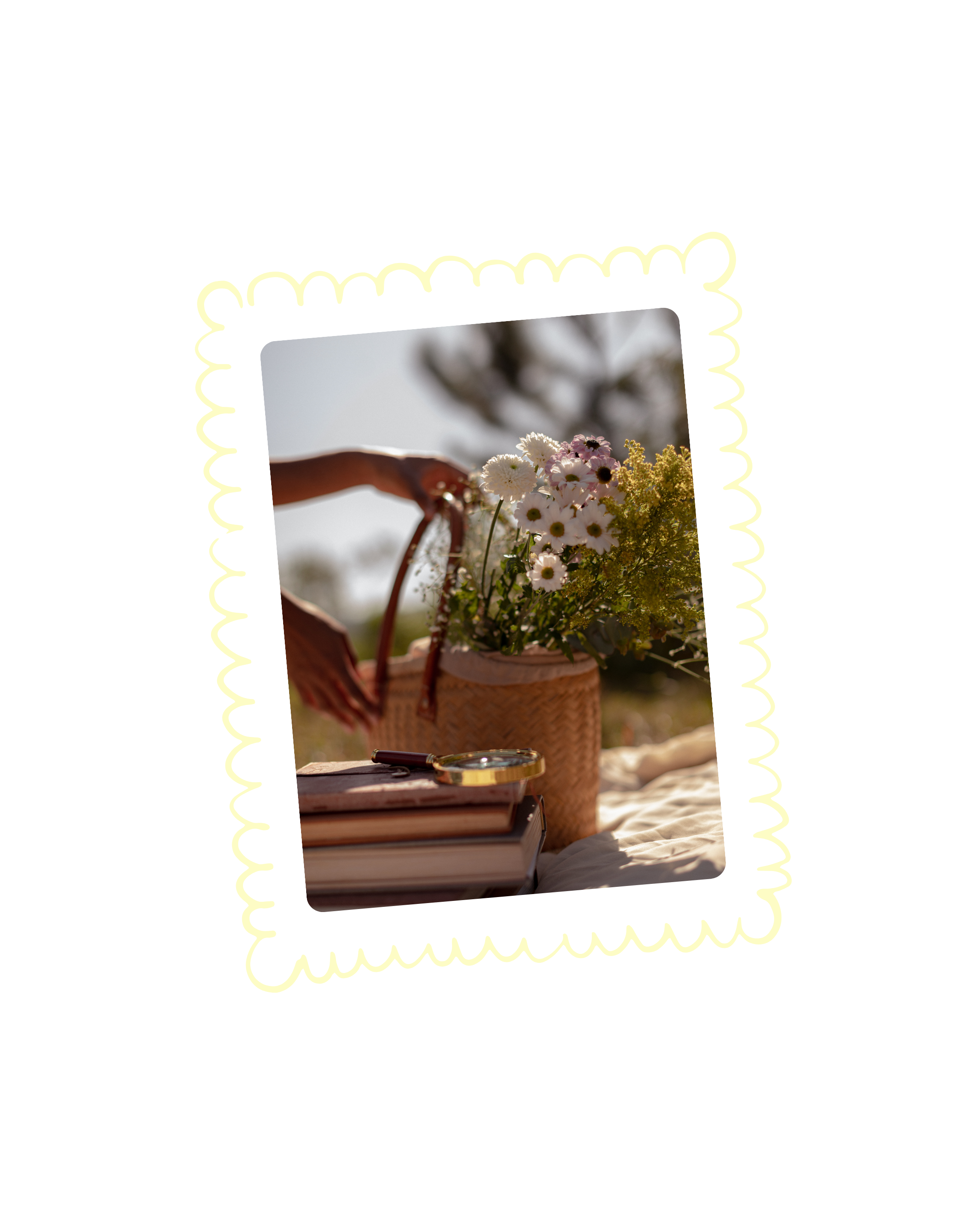
Your Time Back
We've created a complete, done-for-you guide so you can stop searching for materials and start being present.
-
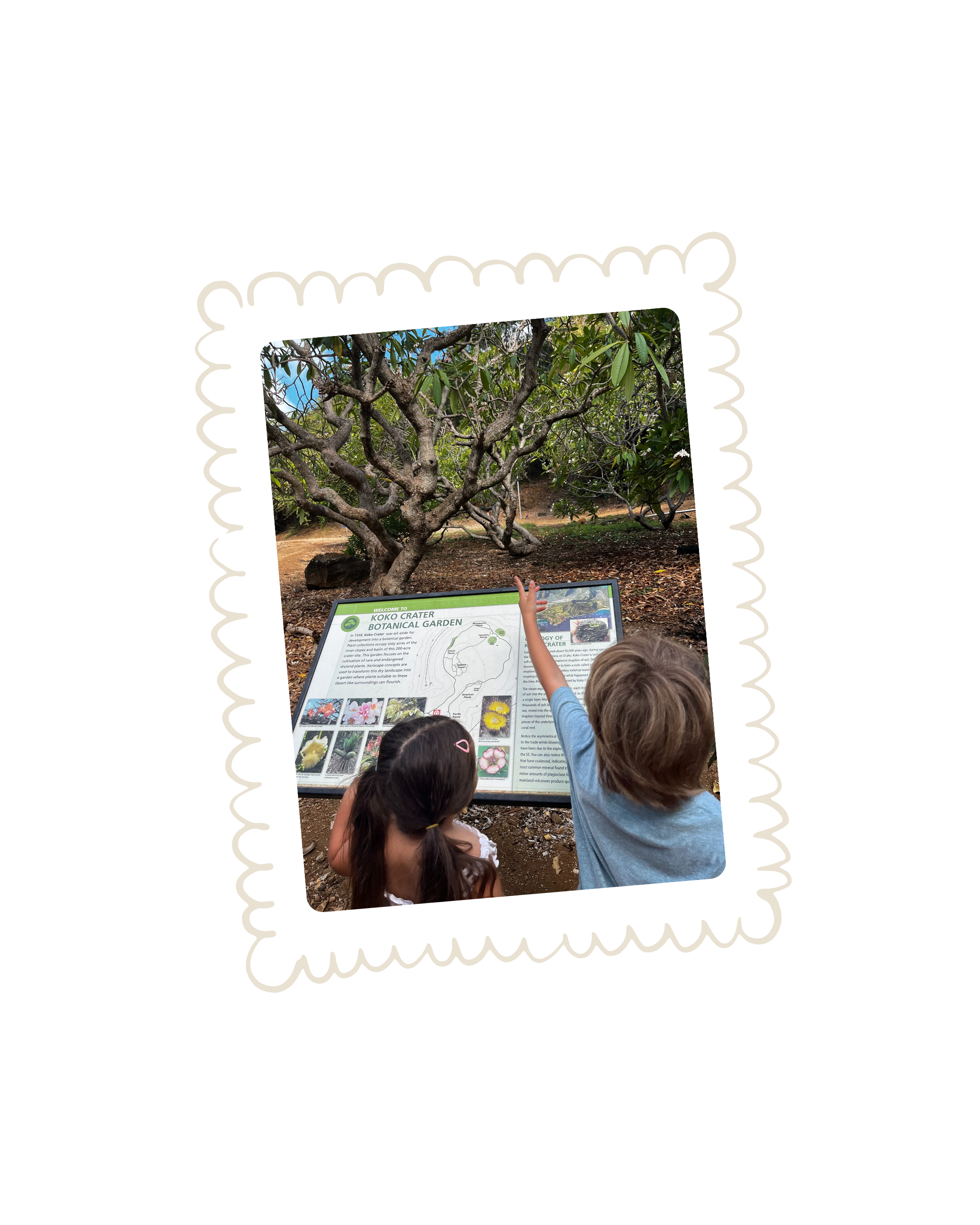
A Deeper Bond
Our curriculum isn't just about academics; it's about connecting with your child through shared discovery and joy.
-
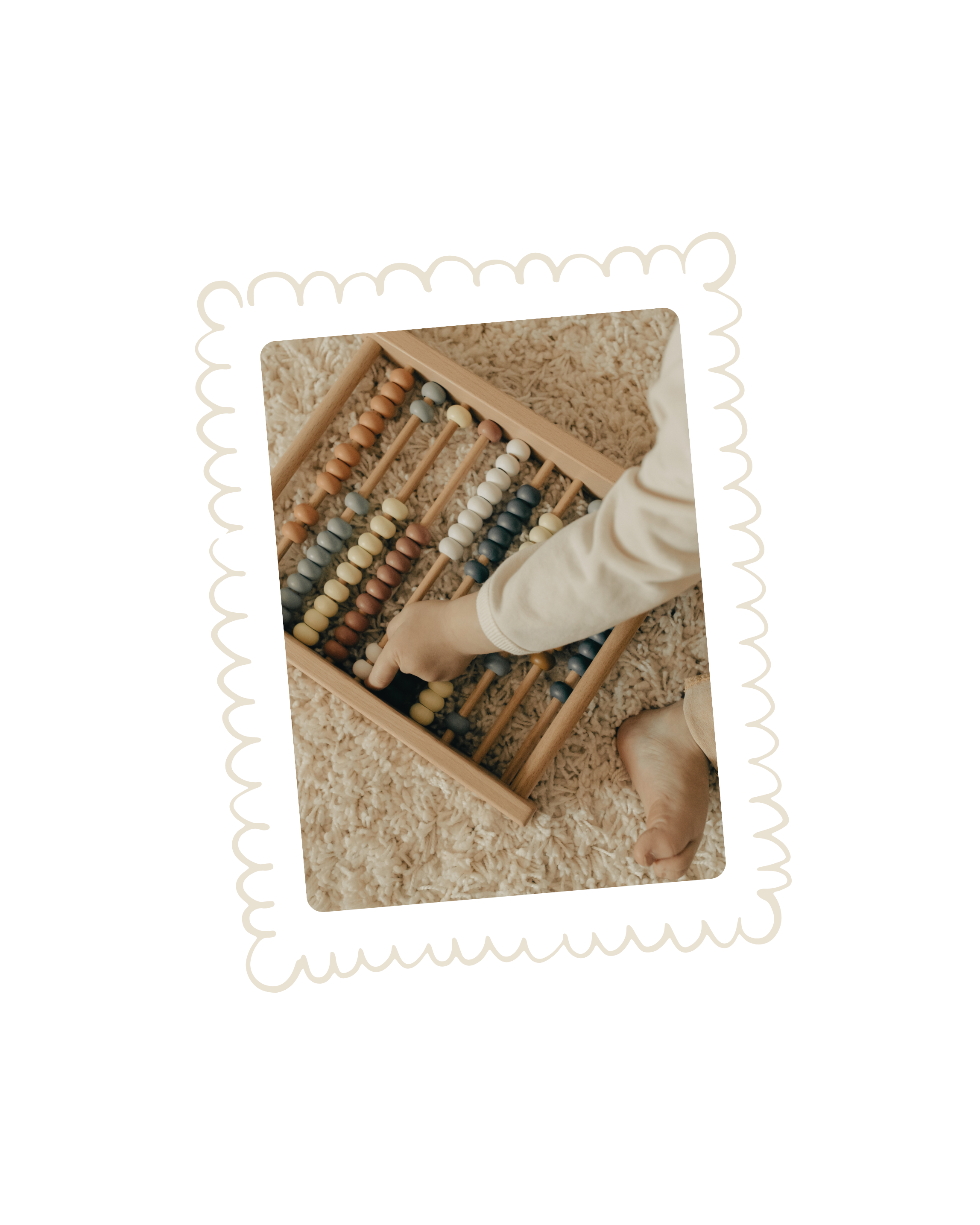
A Heart of Awe
Watch as their little minds are shaped to see God's hand in everything, from the smallest sprouting seed to the widest night sky.
-
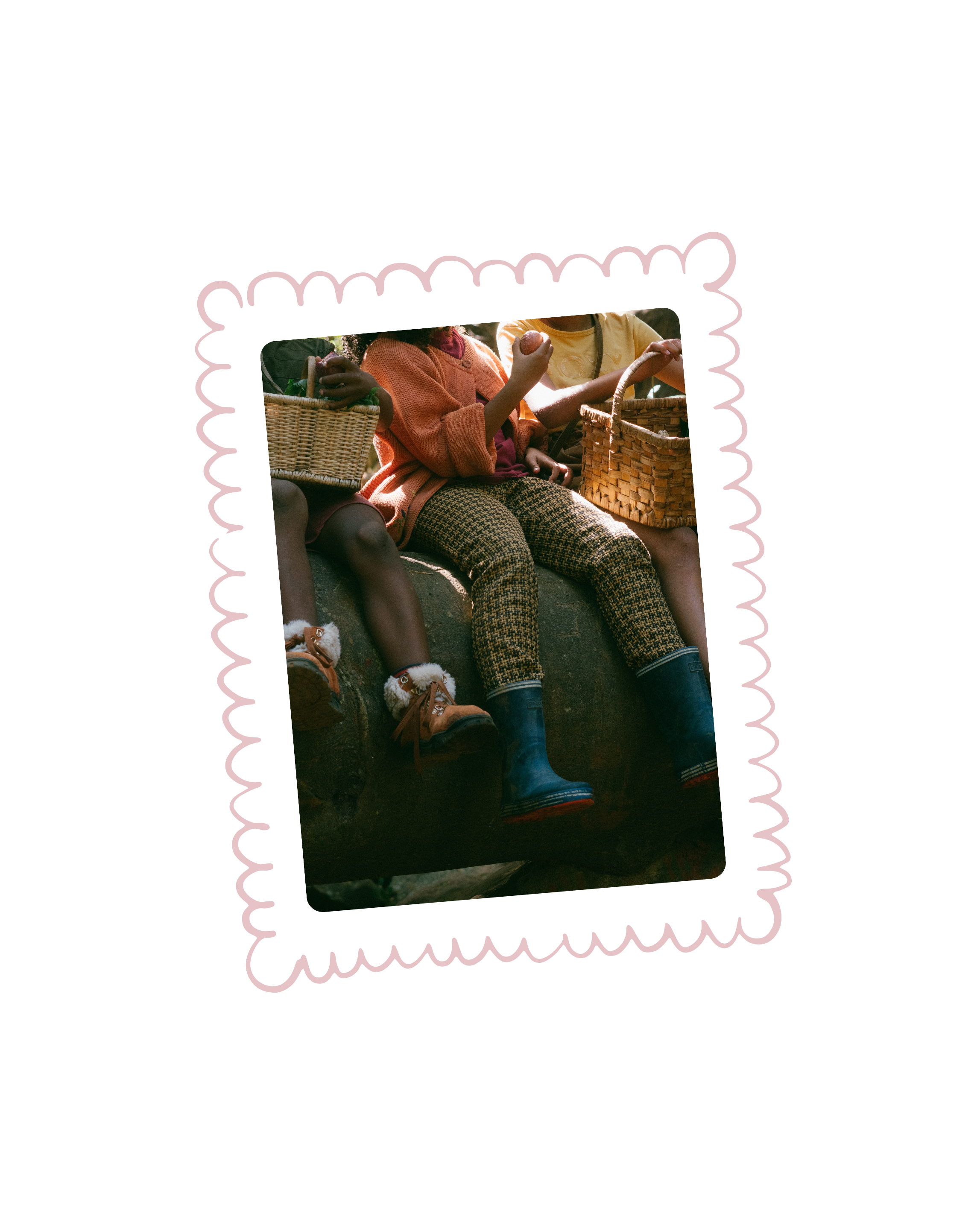
Confidence in Your Role
Our simple, intuitive plans make teaching stress-free, empowering you to lead with confidence and joy.
Raising good humans starts with Jesus.A central portion of our curriculum is a section we call Mornings with Jesus. It is a 10-to-15-minute daily anchor designed to help you and your children pause, read a Bible verse, and learn about the Lord through a story in your favorite children’s Bible. It’s a simple way to see the world through the lens of God's handiwork—not as a formal test or a lecture, but as a gentle way to begin your day together.
As you move through A Year of Wonder, think of this time as setting an intention for your day and creating life-giving habits for you and your children. This is a space for deep connection, where you can share your love for Jesus and plant seeds of faith in the quiet, early moments. Even on the messy days, this morning rhythm becomes the ground your family stands on.
the wonder-full electivesA little bonus included for free for Founding Members.
Explore and learn life skills.
-
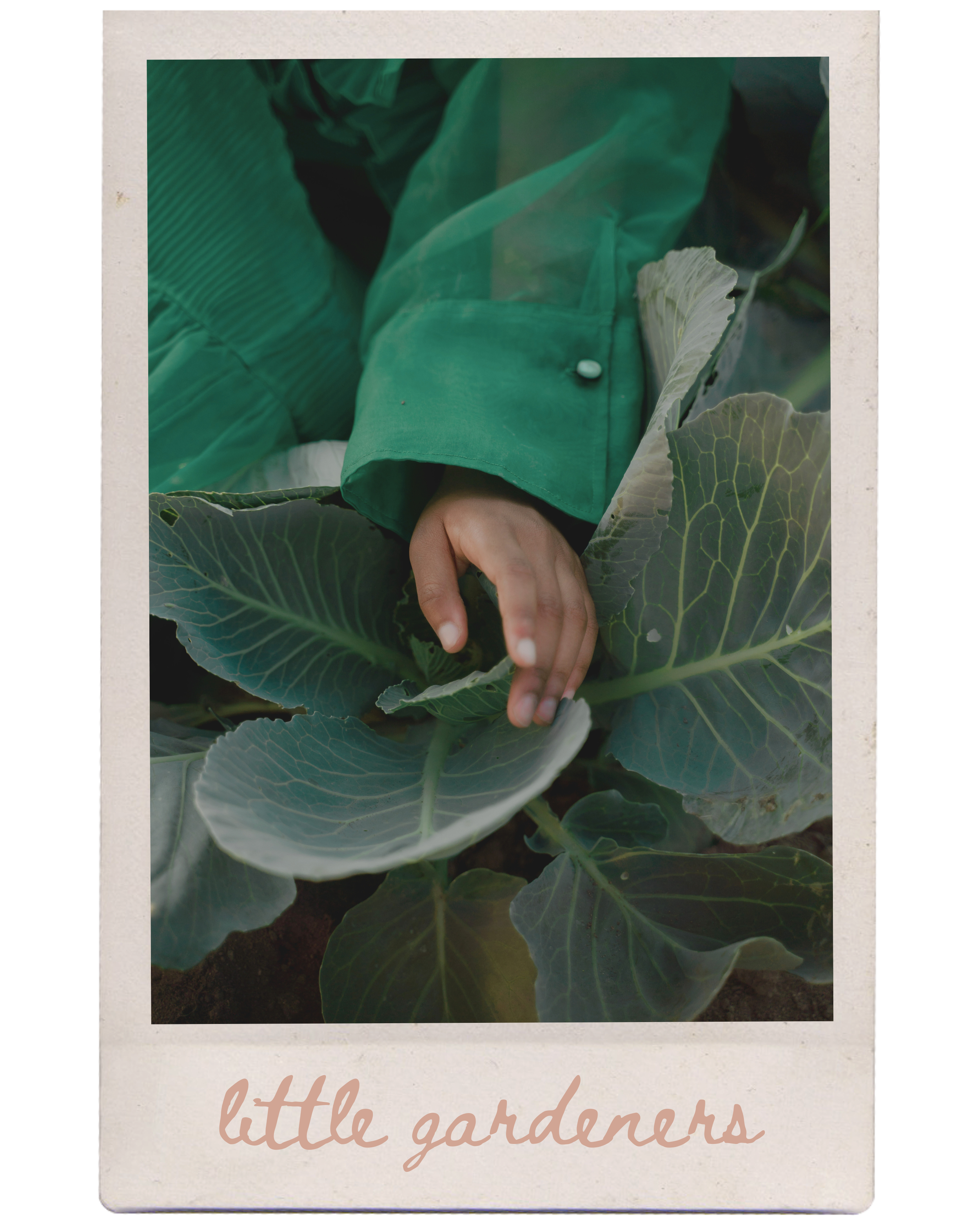
A hands-on journey into the joy of homesteading and growing your own food.
-
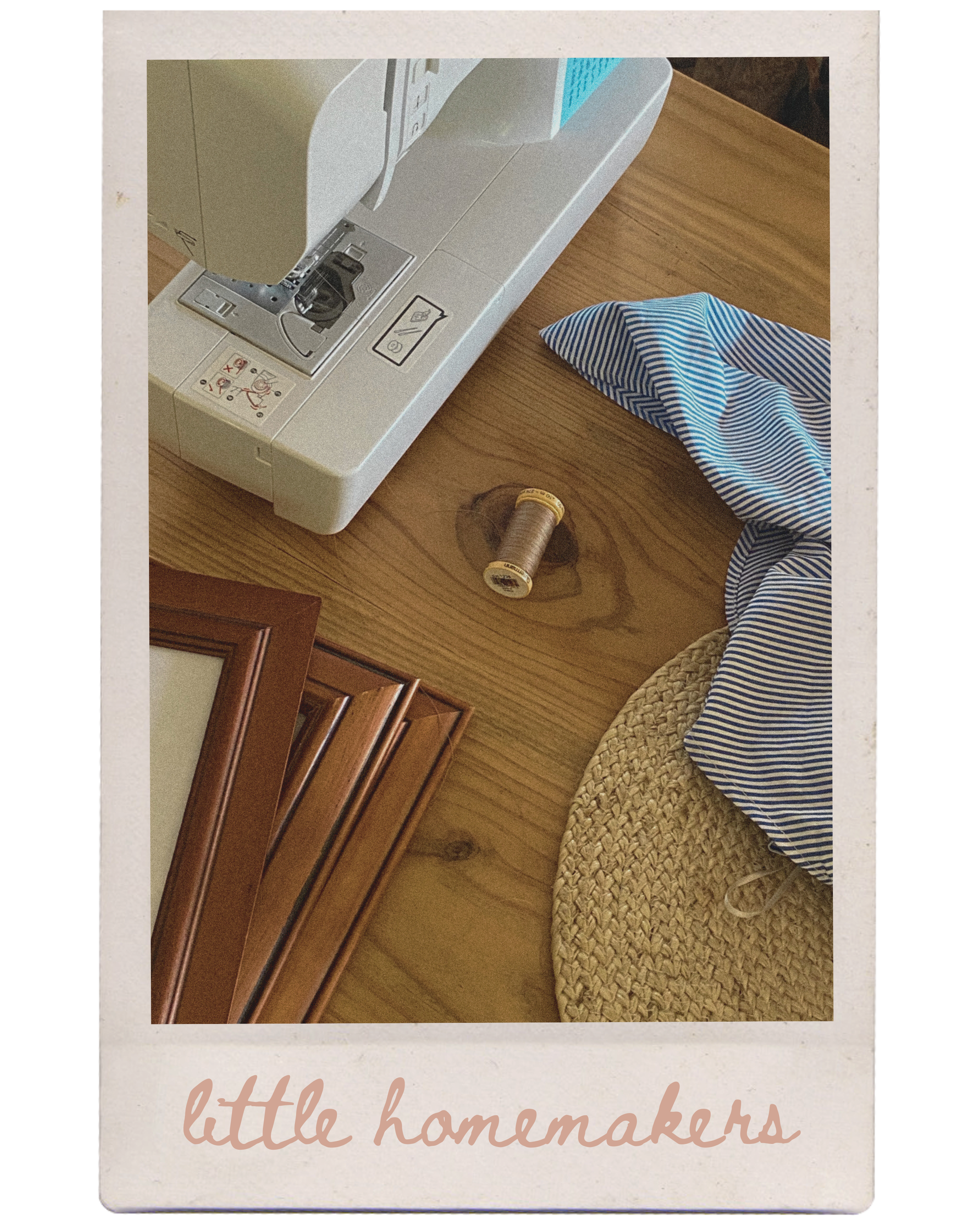
A joyful, hands-on journey into the practical arts of homemaking and sustainable living.
-
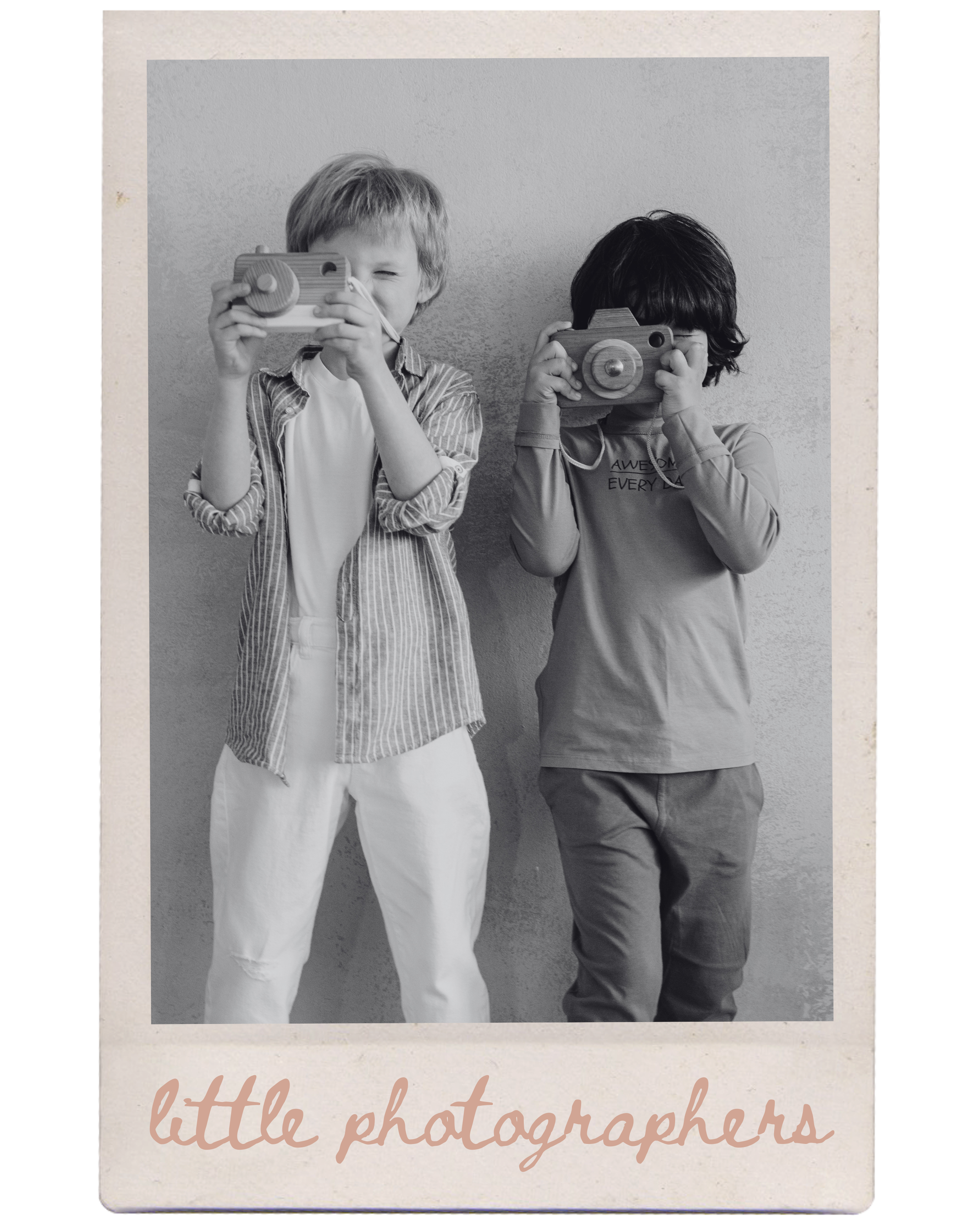
A journey into the art of seeing, a chance to explore our world through the lens of a camera.
-
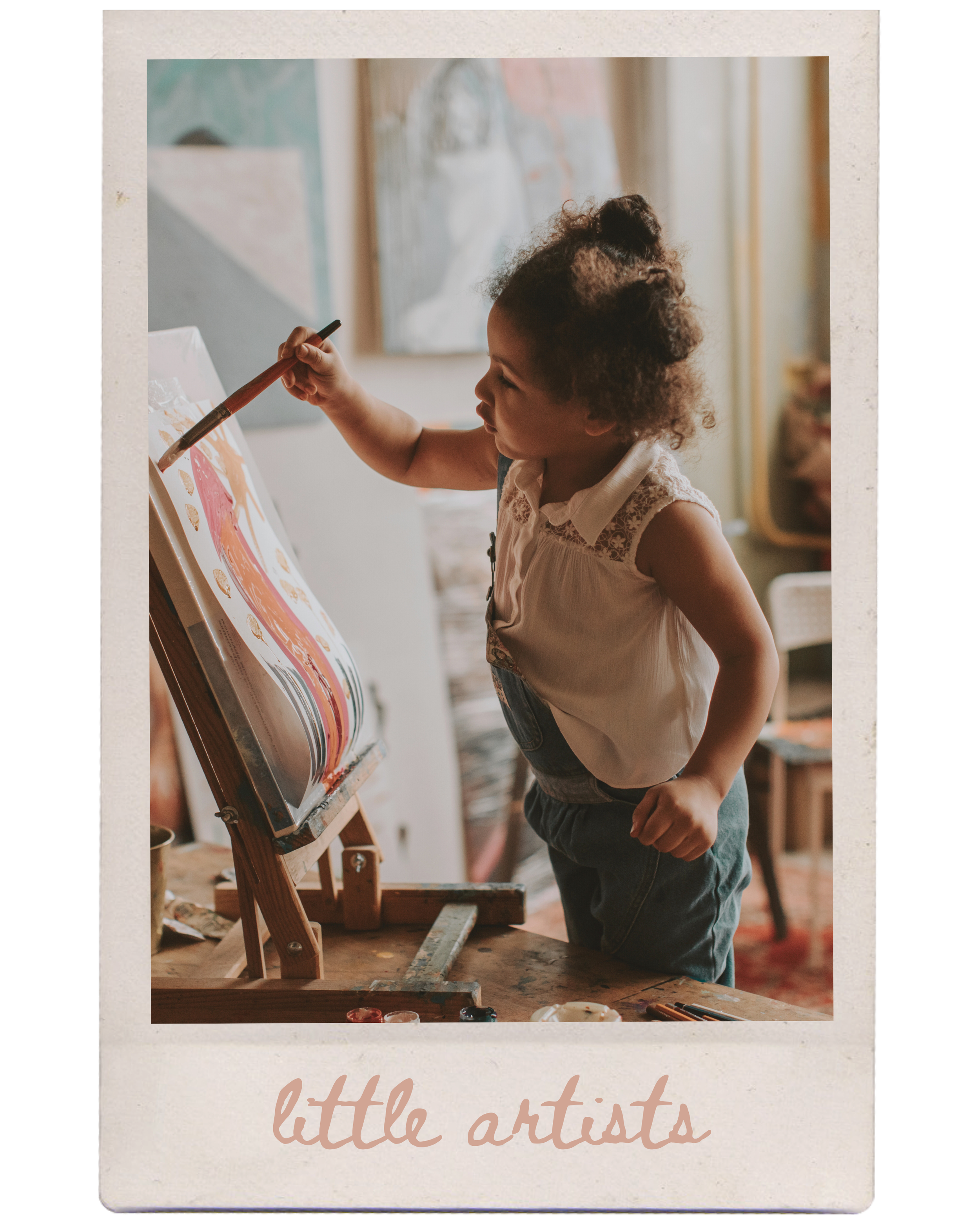
A joyful, process-oriented exploration of what it means to be an artist.
-
A hands-on, taste-safe adventure into the wonderful world of cooking.
-
A journey into the past to discover that history is the living, breathing story of people, places, and families, including our own.
Coming Soon
growing with little homeroomWhile our core curriculum is designed for ages 3–6, we know that wonder has no age limit. We are currently developing 'The One Table' electives for older siblings (ages 7–12), including:
The Nature Journaler: Advanced botanical sketching & identification.
The Master Storyteller: Family history, genealogy, and oral tradition.
The Homestead Engineer: Physics, tool-work, and garden design.
The Steward’s Kitchen: The chemistry of sourdough & the art of hospitality.
The Curator of Clay: Sculpting with earth-based materials & natural pigments.
Frequently Asked Questions
-
It is a comprehensive, all-in-one resource. Each unit gently weaves Bible, Science, Literacy, and Math into one seamless story, providing a complete academic foundation for the early years.
-
At this age, formal lessons should be short and joyful. You can expect your core connection time to take about 45 minutes to an hour. The rest of the day is for play, stories, and simply living out the unit’s theme!
-
Not at all. Because we use a 12-month loop instead of a traditional seasonal calendar, you can start Little Oceans or Little Me whenever you are ready. You are never "behind" in the Homeroom Club.
-
To keep your costs low and access instant, the Handbook is a digital-only resource. However, we have designed it to be 'mama-friendly' so you can pull it up on your phone or tablet while you teach. Your children will do all their physical work in their analog Wonder Journals, keeping their childhood screen-free.
-
Most curricula are built for a 9-month sprint, leading to "summer slide" and a rush to the finish line. We prefer a steady, year-round flow that prevents learning loss and removes the pressure to cram. Because our units are "rhythm-based" rather than "calendar-based," they move at the pace of your life. If you take a month off for travel, simply pick up where you left off. It’s a continuous journey designed to grow with your family, year after year.
-
We believe in family-style learning where everyone gathers at one table. Explorers (ages 3–4) focus on sensory play and joyful exposure. Pathfinders (ages 4–5) begin bridging the gap with letter sounds and early quantity. Voyagers (ages 5–6+) dive deeper with scientific observation, early writing, and narration in their Wonder Journals. You teach them all at once using the same materials, but with different depths of engagement.
-
No. We believe homeschooling is a family affair. One Founding Member membership covers every child in your immediate household. We do ask that you please not share your login with another family.
-
Our 'Supply Philosophy' is to shop your house first. Most activities use simple pantry staples like flour, salt, and string, or treasures found in nature. If a specialized tool is suggested, it’s usually a one-time investment in a high-quality item—like a magnifying glass or a watercolor set—that will last for years. We also provide a curated Amazon Shopping List for your convenience.
-
You get immediate access to the Homeroom Club portal, where your Library and Supply lists are waiting. You can start thifting books and preparing your space today! In June, our Parent Orientation course will unlock, followed by the full curriculum release on July 1st.
the founding family invitationLittle Homeroom is a living collection. Because this is our inaugural year, I’m not looking for customers; I’m looking for partners. I am gathering a small Founding Circle of 50 families to walk this path with me first.
As a member of this first group, you’ll help me refine our new portal and test our digital home. In return for your grace and feedback, I want to offer you a permanent seat at our table.
The Founding Gift:
Once and for Life: A one-time enrollment of $199 secures your lifetime access to the full Year of Wonder.
Growing with You: You’ll receive every future update and new unit added to the collection—forever.
A Voice in the Room: Help shape our "Process Videos" and parent resources.
How to Join Us: To keep our community intimate and intentional, I’m asking interested mamas to share a bit about their family through a short application. Once our 50 seats are filled, we will close the doors to focus on our journey together.